Back
The Common OSP for Smarter, Fairer Organic Certification: Q&A with Connie Karr
COMMON OSP
By
Katrina Stanislaw
updated Sep 10, 2025
Reviewed by
Connie Karr
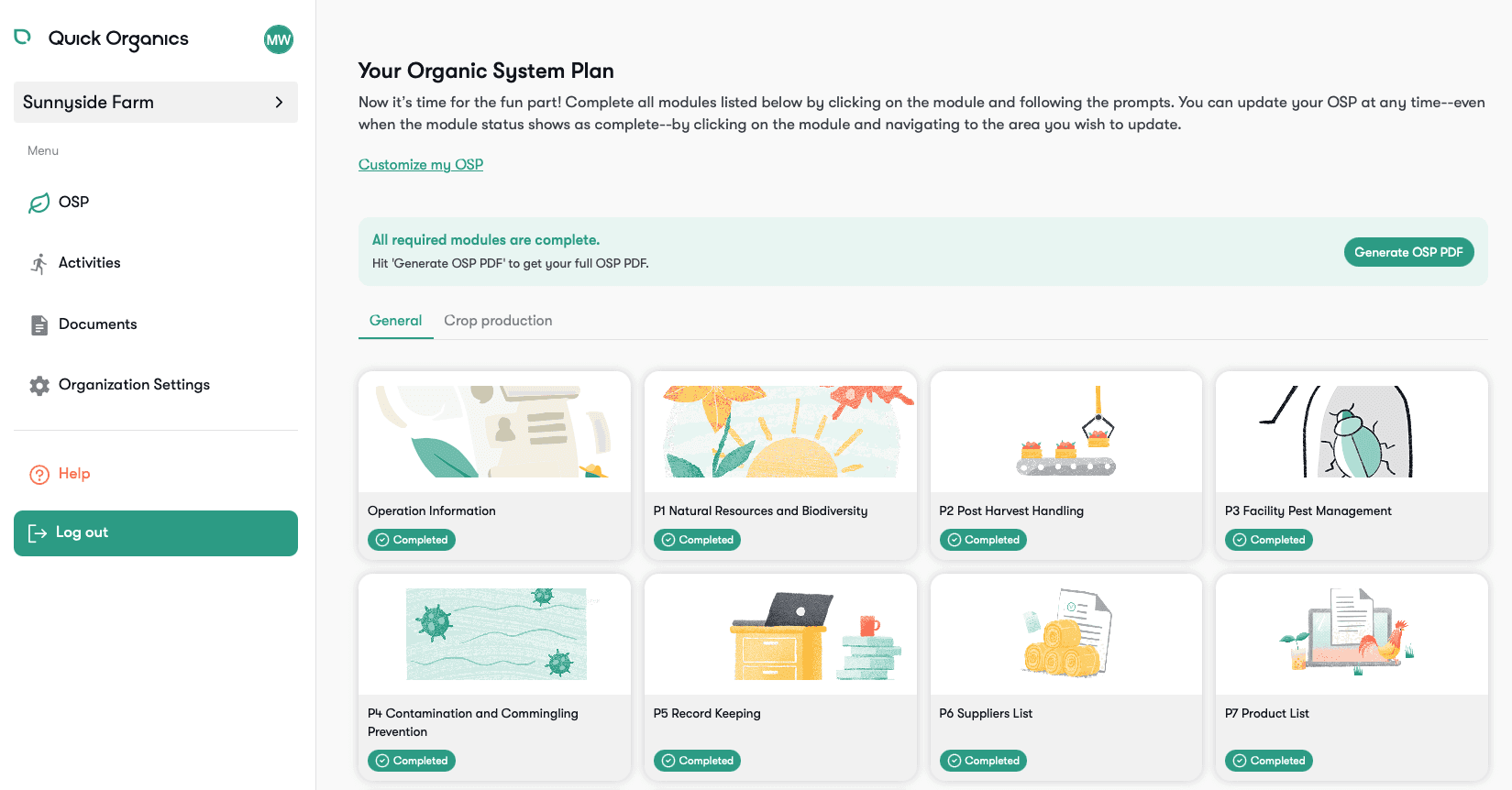
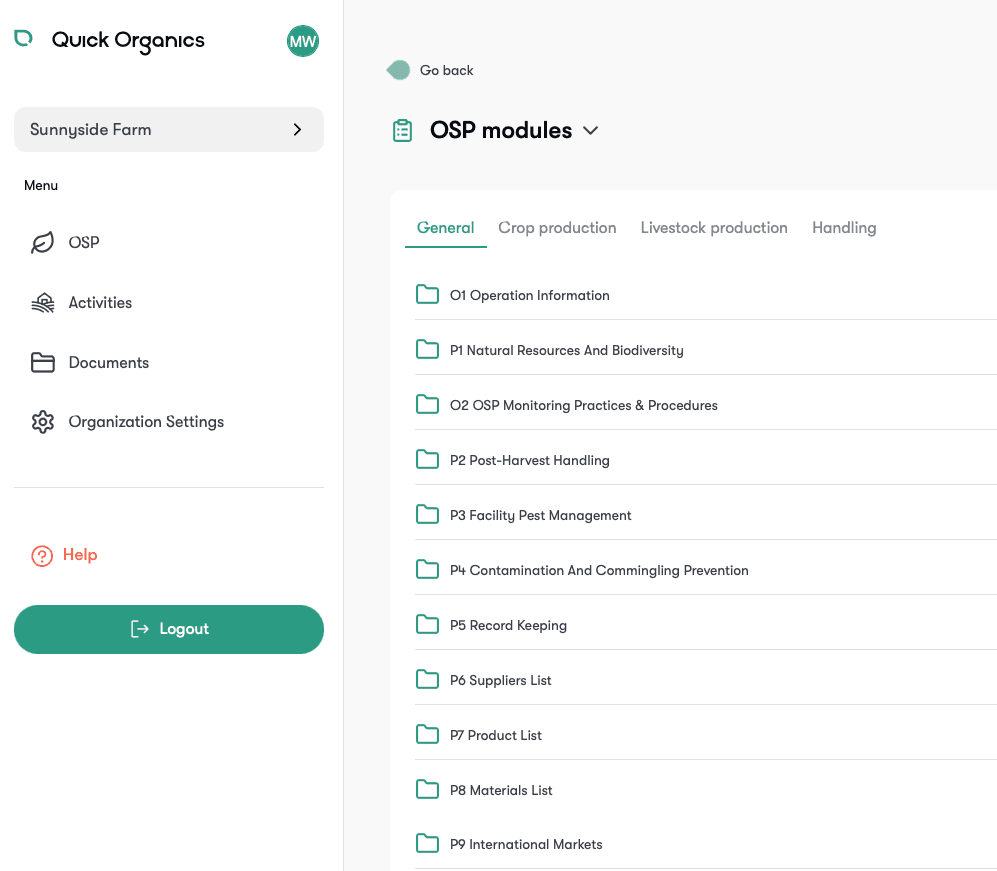
The Common Organic System Plan (OSP) is a new, standardized version of the paperwork that farmers, processors, and handlers must complete to get and maintain organic certification. Until now, each certifier has had its own version—dozens of forms, each slightly different, creating unnecessary complexity across the industry. The Common OSP is establishing a shared foundation: one form that is simpler for producers, clearer for inspectors, and more consistent for certifiers.
I sat down with Connie Karr to talk about the Common OSP and why it's so important for the organic sector. We cover it all: how the Common OSP simplifies forms, supports farmers, certifiers, and inspectors, and why this is so important for the integrity of organic certification.
Q: Why do we even need a Common OSP?
Connie: Because paperwork is keeping people out of organic. Farmers routinely tell us the OSP is the hardest part of transitioning. But it’s not just farmers—handlers, processors, and new brands say the same. The farming, the making, the growing—that’s what they know and do best. As someone who’s worked with certifiers for nearly 30 years, I can tell you: we’ve layered band-aid on top of band-aid. Forms grew longer, questions multiplied, and often they go beyond what the regulations require. The result? Confusion, inefficiency, and frustration.
Q: Isn’t each certifier unique for a reason?
Connie: Yes—but there’s a difference between flexibility and chaos. When SOE came along, every certifier had to update their forms. And guess what? They all came up with different answers for the same requirement. That was the moment many certifiers realized: we need a common baseline. I actually had a hard time getting through some of the OSPs myself. And I’ve been in certification for decades. That tells me we’ve lost sight of the purpose of these forms.
With the Common OSP, 80–90% of the form is shared, and certifiers can still add their own questions if needed. This is why the Common OSP matters—it’s not just about saving time, but about making certification understandable and accessible again.
Q: How do farmers benefit?
Connie: Less time, less guesswork, more clarity. In pilots, farmers cut OSP completion time by up to 70%. Instead of reading compound questions and wondering what the certifier wants, they see clear checkboxes and examples. And if they change certifiers, they don’t have to start from scratch—they can take their OSP with them. That’s huge.
Q: What about inspectors and certifiers?
Connie: Inspectors told us they burn out trying to juggle different OSPs for multiple certifiers. With a common form, they don’t have to relearn every time. Certifiers save time too—they don’t each need to reinvent the wheel every time a regulation changes. That’s critical for workforce retention in this field.
Q: Fraud prevention has been a sore spot. How is this addressed?
Connie: We cut it to the essentials: three baseline questions. If an operation shows risk factors—identified right in the form—then the certifier can follow up with more questions. This way, small farms aren’t crushed by irrelevant paperwork, and certifiers still get the risk-based oversight they need.
Q: Is this digital-only?
Connie: Not at all. Farmers can use paper or digital. The digital version (through Quick Organics) uses skip logic to hide irrelevant sections—like a choose-your-own-adventure that actually saves time. But the paper version is fully usable, with clear “if no, skip to page X” instructions.
Q: What’s the end goal?
Connie: The Common OSP is optional, not mandatory. But when the NOP posts it publicly, and with certifiers already piloting it, I believe adoption will snowball. Producers will start asking, “Why can’t you just accept the Common OSP I already filled out?” And that’s a powerful motivator for change.
Q: So what's the bottom line?
Connie: The Common OSP isn’t about making certification easier just for the sake of ease—it’s about making it smarter, fairer, and less of a barrier for producers, while giving certifiers consistency and inspectors clarity. By reducing unnecessary complexity for all three groups—farmers, certifiers, and inspectors—we’re strengthening the integrity and sustainability of the organic system as a whole. A Common OSP means less time spent on forms and more time ensuring that organic certification remains credible, accessible, and resilient for the future.