Back
Why Staying Organic Takes More Than Belief - It Takes Support, Continuity, and Care
COMMON OSP
By
Connie Karr
updated Feb 16, 2026
I’ve spent much of my life inside the organic system - as a farmer, as someone who supports farms through certification, and as a person grounded in the rhythms and realities of working land that’s been in my family for generations. I still believe deeply in organic and in what it stands for.
Recently, the “Why Are We Losing Organic Farms? What We Learned (National Organic Coalition, Jan 2026)” article shared insights from stakeholders across the country. It didn’t focus on numbers as the whole story - and that was refreshing - it started conversations about why some organic farms step away from certification and what keeps others rooted in it.
For me, one thread I hear again and again, and that I live personally, is about continuity. Who carries knowledge forward when leadership changes? How do we pass experience from one generation to the next when life cuts that passage unexpectedly short?
When farms change hands, everything changes
Last year, I lost both of my parents. With their passing came a profound sense of what wasn’t written down - the anecdotes, the ways they understood soil under their fingertips, the nuances they carried from season to season. Even when everything has been documented “correctly,” so much farming know-how lives in stories and routines, not in a folder.
This is something I hear from other organic farmers too. It isn’t that farmers don’t believe in organic values anymore. It’s that when the person who held the story steps back, the next generation can suddenly feel like they’re rebuilding from scratch. That can make certification - and farming itself - feel heavier than the purpose that drew them there.
When support lags, pressure compounds
Another piece of the conversation has been about policy support. The “USDA Cost-Share Delays Are Hurting Organic Farms (National Organic Coalition, Dec 2025)” piece highlighted how delayed Organic Certification Cost Share reimbursements can leave farmers out of pocket at exactly the time they need every bit of margin they can hold onto.
These funds exist to help defray certification costs, especially for small and midsized farms. When they don’t arrive on time, farms feel the squeeze - and some may delay renewal or reconsider the path they’re on. That’s not a critique of the system’s intent; it’s a reality of farm economics.
Organic isn’t being abandoned - it’s being refined
Despite these challenges, there’s reason for optimism.
Organic farming isn’t failing because farmers lack conviction. It’s evolving because the people in it are asking, How can we make it more supportive, transferable, and sustainable for the next generation? The dialogue we’re having now - including the conversations from the National Organic Coalition’s recent forum - is part of that evolution.
So many farmers I know don’t want easier standards. They want clearer systems that let them spend time on soil, markets, and community rather than paperwork alone. They want tools that support continuity, help capture the knowledge that lives in people, and make transitions smoother.
Where solutions actually help
This is where better systems matter - and where I’m hopeful.
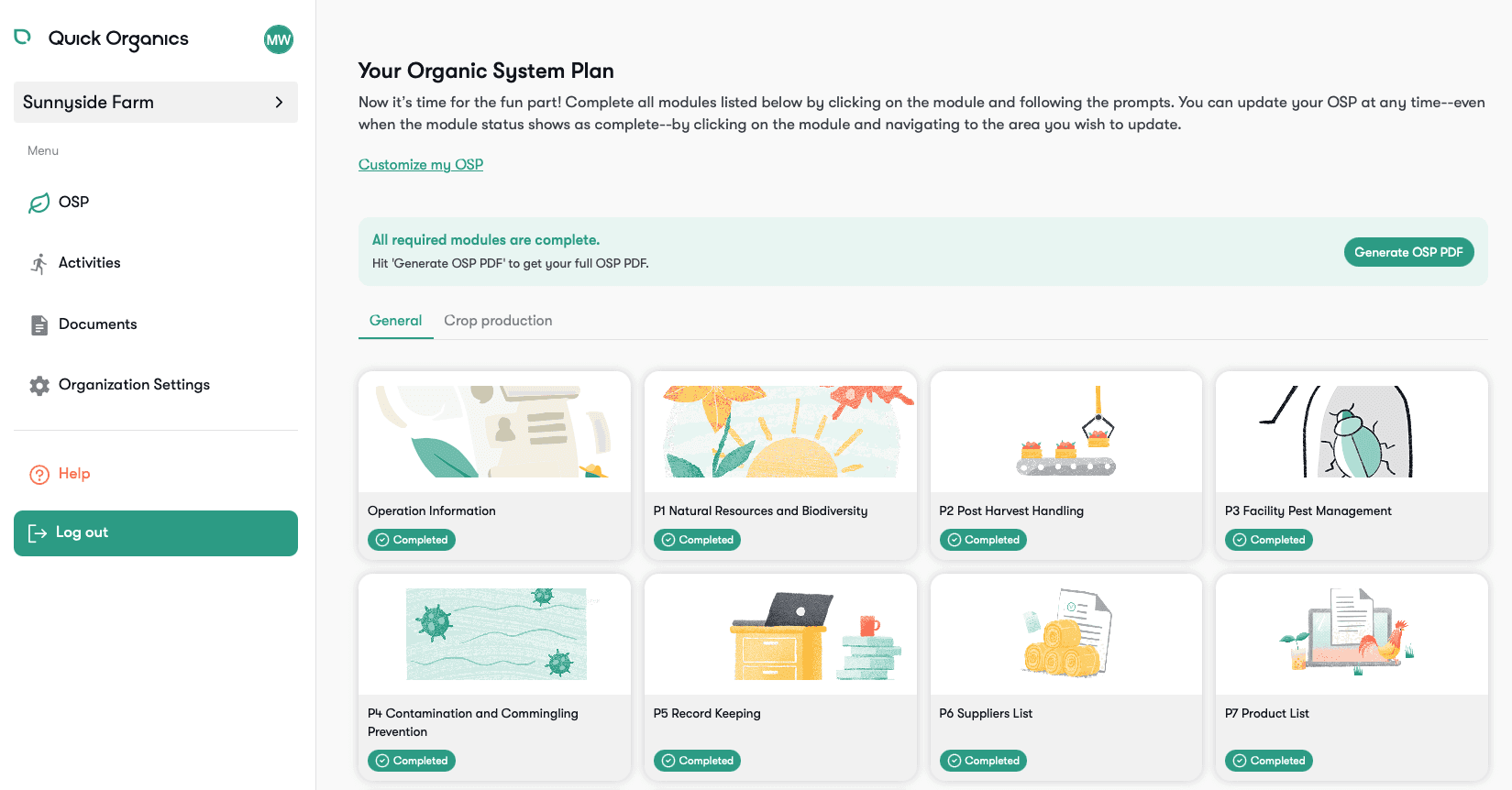
At Quick Organics, we’ve built a platform around a simple idea: What if your Organic System Plan wasn’t just a compliance exercise, but a living system - one that helps preserve farm knowledge, captures decisions as they happen, and supports whoever steps into leadership next?
Instead of treating certification as a once a year paperwork sprint, we focus on continuity through:
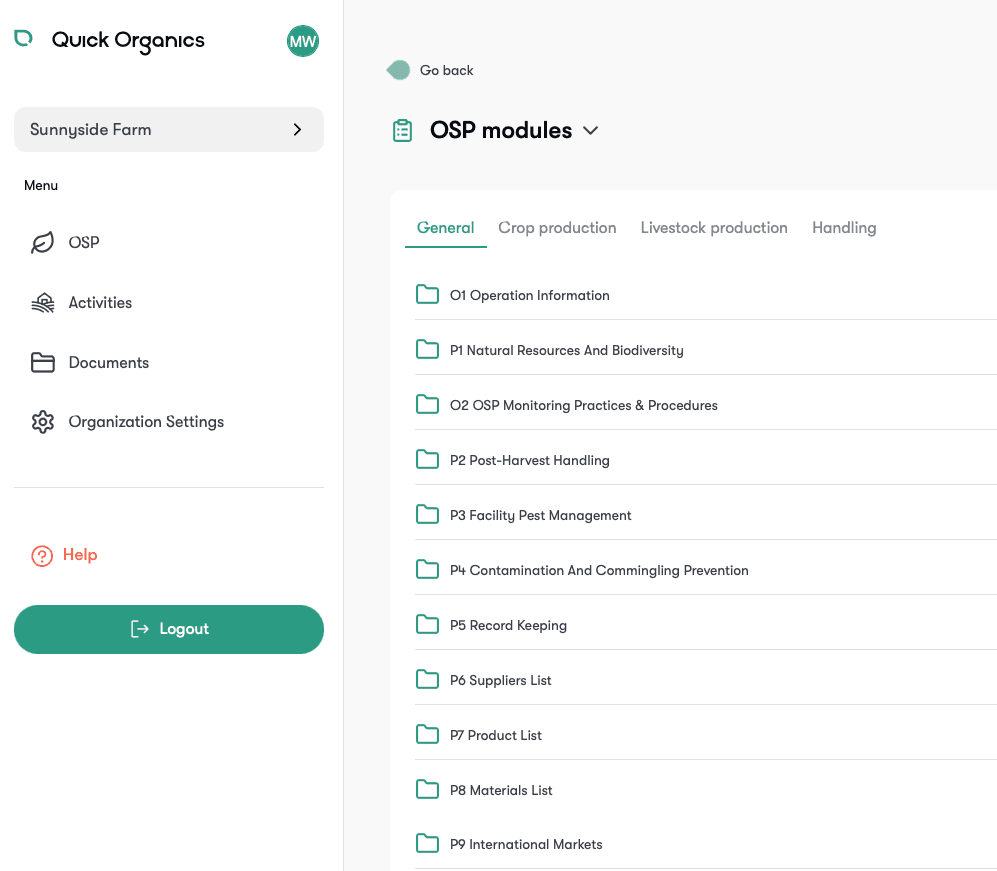
A structured, repeatable Organic System Plan that carries forward year over year, reducing rework and uncertainty during transitions.
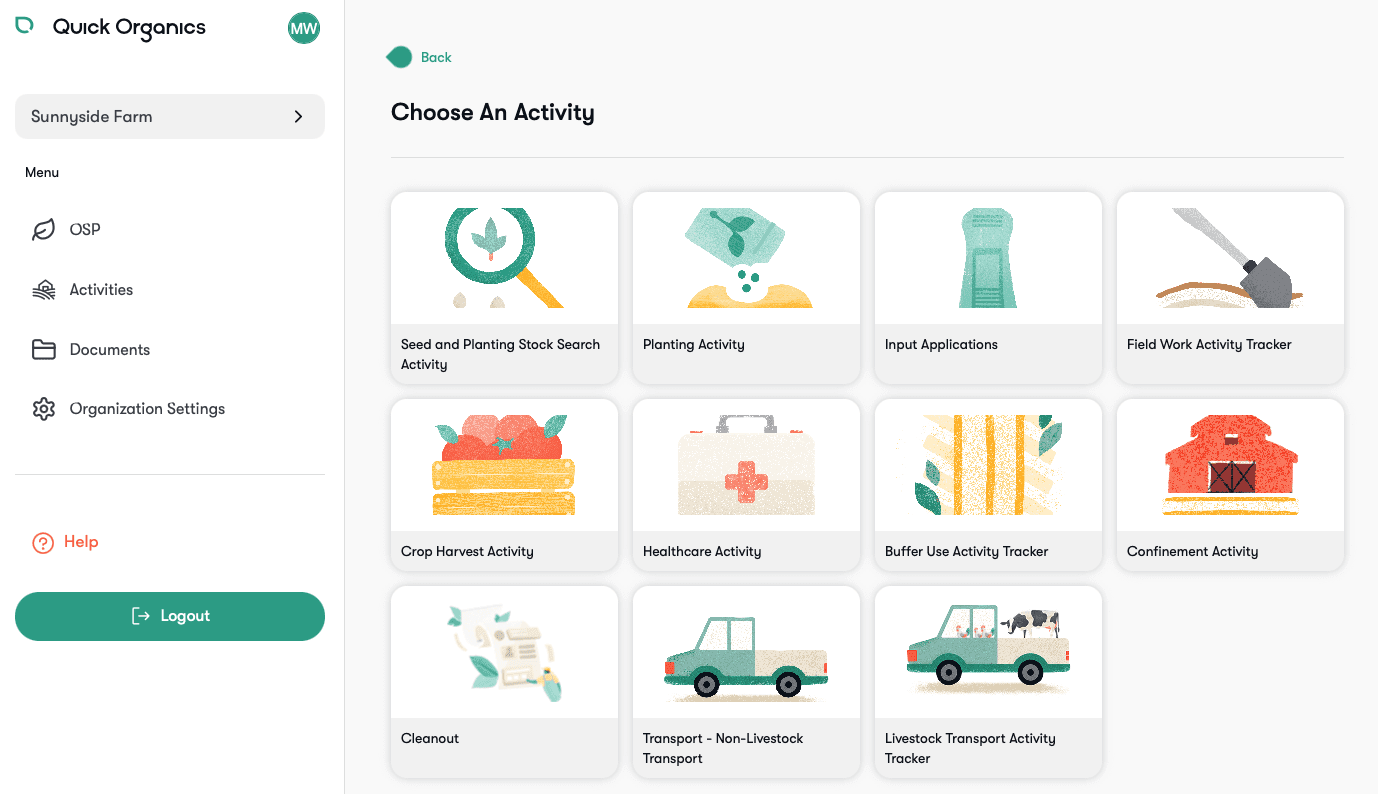
Activity tracking that reflects real farm operations, capturing changes and decisions as they occur, not reconstructed later.
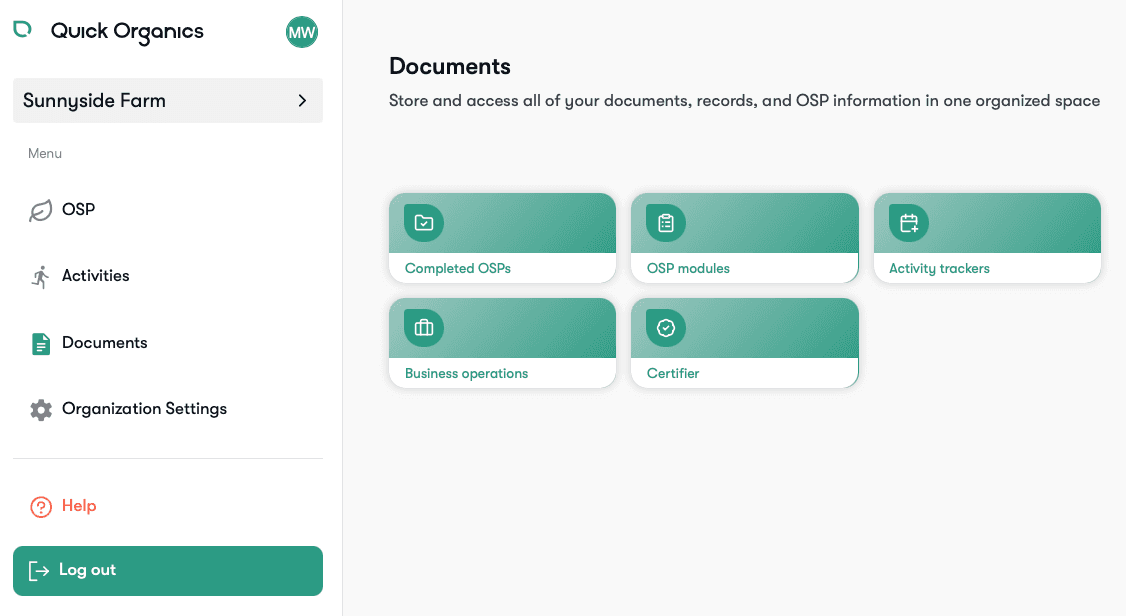
A centralized home for critical records and documents, so essential information is accessible, consistent, and not tied to one person.
These things don’t replace family wisdom or mentorship, but they hold space for it. They help reduce the friction that can make transitions feel insurmountable. They make certification less of a one-off chore and more of a continuum, documented and sharable.
Why I remain hopeful
Even as we talk about farms changing hands, about support gaps and delayed reimbursements, I’m hopeful because I see organic constantly reinventing itself from the inside out.
I see new farmers stepping up with purpose. I see conversations - like those sparked by the National Organic Coalition’s recent posts - about how organic can be more resilient. I see community and mentorship beginning to take the place of isolation and guesswork.
Organic has always asked more of us - and it will continue to. But staying organic works best when no one has to carry it all alone.
Organic farming is worth it.
And together, we can build a system that supports every generation that walks its fields.